3D Printing at HengDa — When It Makes Sense, and When It Doesn’t
We’ll be straight with you: 3D printing isn’t always the right answer. Sometimes it is, sometimes CNC is better, sometimes you need both. This page explains what we actually run, what the materials do in real conditions, and where the limits are — so you can make the call before you order.
The Equipment
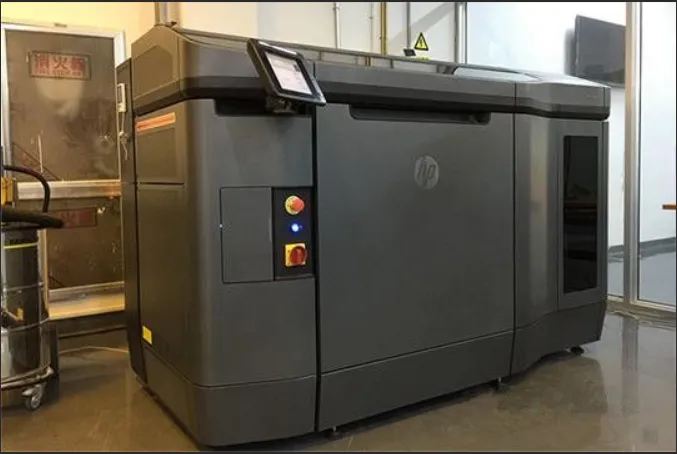
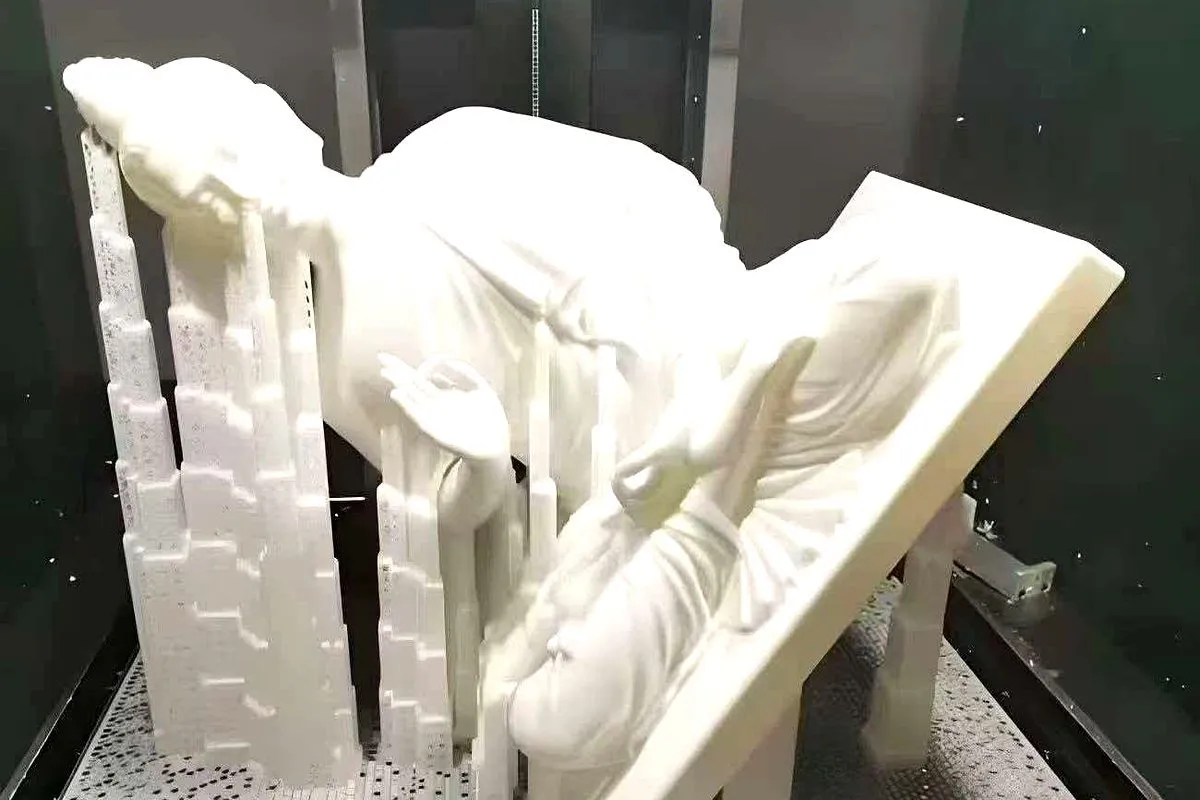
We run HP Multi Jet Fusion SLS and SLA printers. Not desktop machines, not hobbyist equipment — industrial SLS systems that produce dense, isotropic parts with consistent mechanical properties across the build volume. If you’ve had bad experiences with 3D printed parts that snapped, warped, or fell apart under load, the equipment usually isn’t the issue. Material selection is.
Materials — What We Run and Why It Matters
PA12 + Glass Fiber (PA12+GF) Our go-to for structural parts that need to hold dimensions under load. The glass fiber reinforcement stiffens the nylon matrix significantly — better rigidity, lower creep, more predictable behavior in assemblies. Robotics joints, solar mounting brackets, functional housings. If your part needs to fit precisely and stay that way, this is where we start.
PA6 Higher heat resistance than PA12, good impact toughness. Works well for automotive underhood applications or anything that sees elevated temperatures in service.
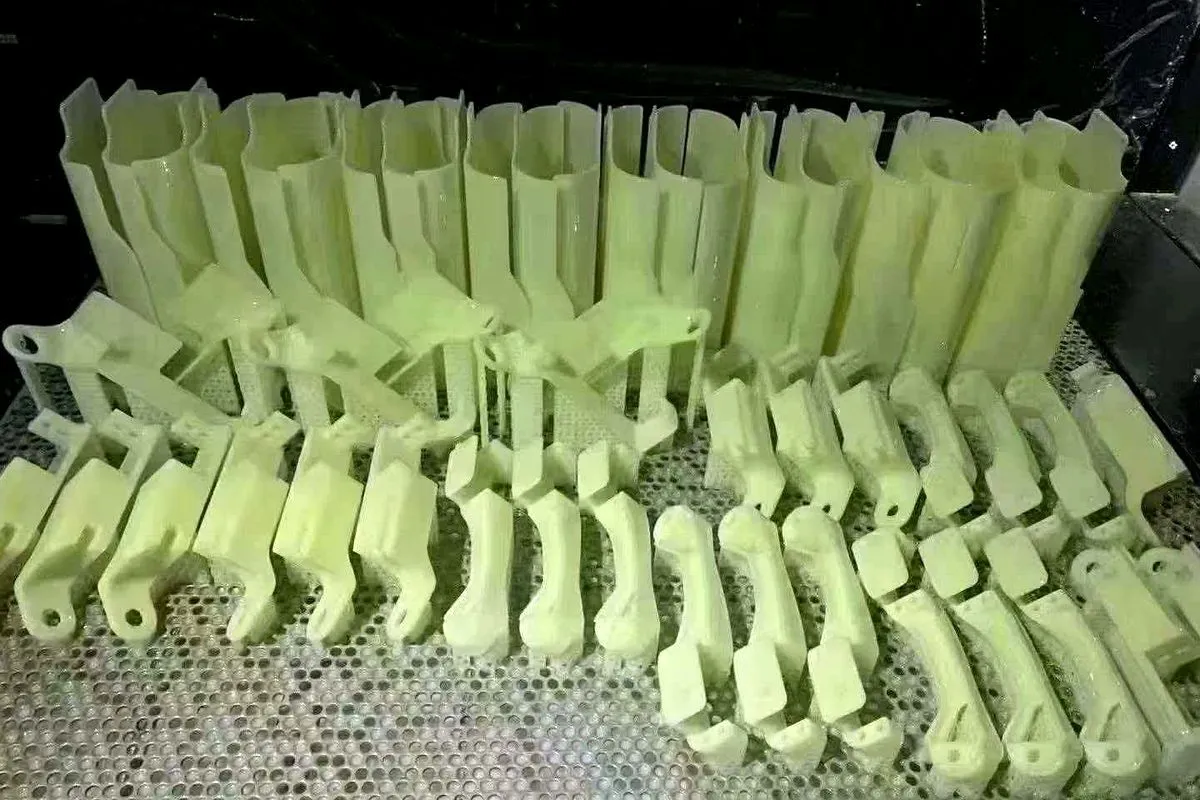
ABS-like Resin Fast, cheap, good surface finish straight off the machine. Fine for appearance models, early-stage form studies, non-structural fit checks. The honest limitation: standard ABS-like materials oxidize. In a few months, untreated parts yellow. Under dynamic load, interlayer bonding can develop micro-cracks over time — it’s a known characteristic of the process, not a defect. If your application is static display or short-term validation, it’s fine. If the part is going into a working prototype that sees repeated stress, we’ll tell you upfront and recommend PA12+GF instead.
For appearance-critical parts, we pair ABS-like with paint and UV-protective topcoat. It helps significantly with yellowing, though heavy use over time will eventually show on the finish. We’d rather tell you that now than have you find out later.
Transparent PC-like Resin For lenses, light pipes, windows, and display covers where optical clarity matters. Not optically perfect out of the machine — requires post-processing to get to usable transparency.
Red Wax For investment casting patterns. If you need metal parts but tooling isn’t justified yet, wax patterns let you cast small quantities in aluminum or steel without a mold. Common in jewelry, medical devices, and precision mechanical components.

Tolerances
Standard SLS tolerances run at approximately 0.3% of nominal dimension — so a 100mm feature holds to around ±0.3mm. For most prototype and functional applications this is sufficient. For precision assemblies with tight mating conditions, we’ll flag it in the quote and discuss whether SLS is the right process or whether CNC finishing of key surfaces makes sense.
What 3D Printing Is Actually Good For
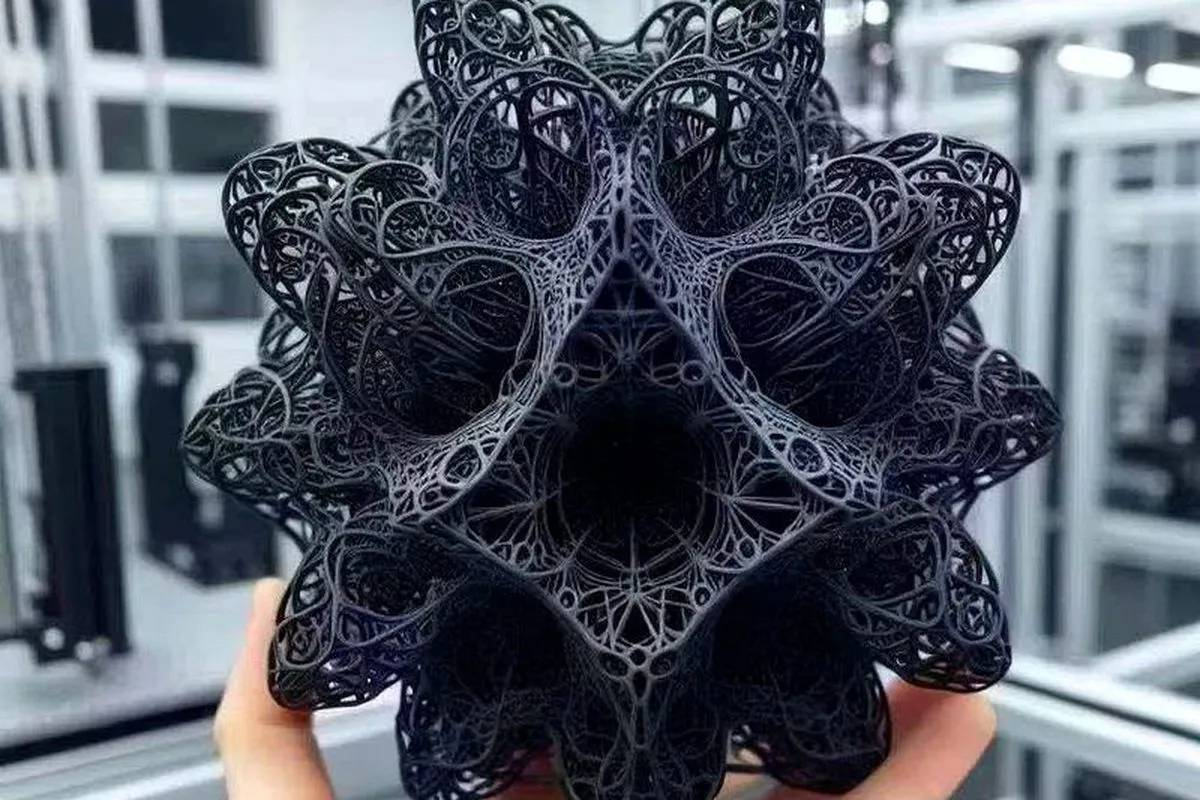
Complex geometry that would require multiple CNC setups or be impossible to machine at all. Internal channels, organic shapes, lattice structures, parts with undercuts in multiple directions. Build speed is real — simple parts can come off the machine in 2 days. No fixturing, no tooling, no minimum run size. For early-stage development when the design is still moving, it’s hard to beat.
Post-processing — sanding, polishing, painting — adds time. If your timeline is tight and the finish requirement is high, factor that in when you request the quote.
The customers we work with
Same as our CNC side — R&D teams and product designers in robotics, diving equipment, solar hardware, consumer electronics, automotive, and toys. The common pattern: someone needs functional parts fast, the geometry is complex, and tooling isn’t justified at this stage.
Primary markets: US, Europe, Australia…
Lead Time
Fast-track: 2 days. Standard: 3–5 business days from file confirmation.
Surface finishing adds 1–2 days depending on requirements.
Getting a quote
Send your 3D file. Tell us the material you have in mind, the application, and whether surface finish matters. If you’re not sure which material fits, describe what the part needs to do — we’ll recommend.
We come back within 3 hours with options and pricing.
→ info@hd-model.com or use the quote form on this page.