
A
product design can represent months or years of engineering work.
Before launch, its 2D drawings, 3D CAD models, tolerances, materials,
assemblies, and manufacturing methods may be commercially sensitive.
Sending those files to a prototype or CNC machining supplier
therefore requires more than a fast quotation—you need to protect
CAD files with a manufacturer through a clear confidentiality
process.
HengDa
treats customer design information as part of the project’s core
requirements. Our approach combines NDAs, employee confidentiality
obligations, controlled internal access, limited production
information, and customer permission before any project is used in
marketing. The following sections explain how that process works in
practical terms.
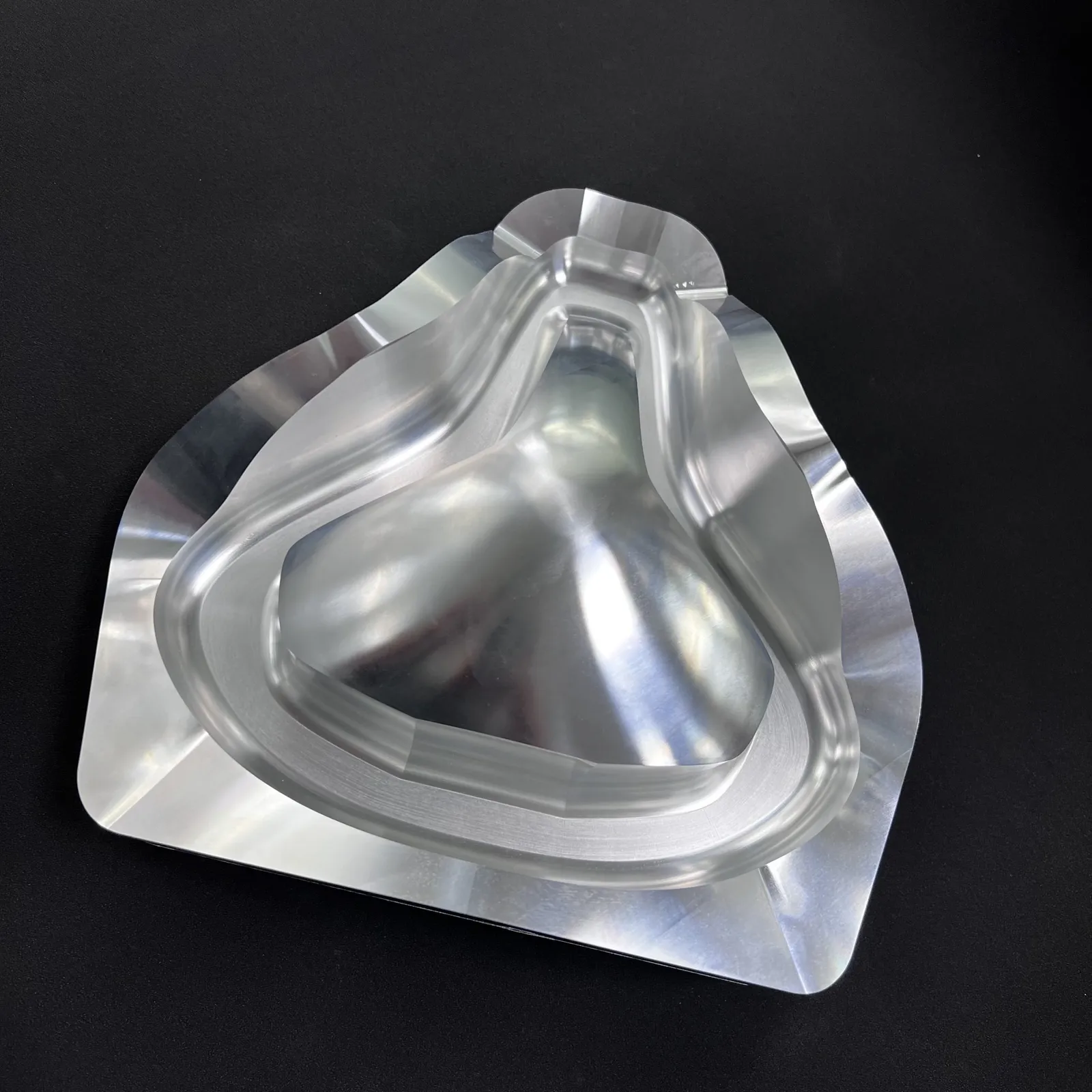
A
CNC-machined component manufactured from customer-supplied design
data.
1. We Can Sign an NDA
Before You Send Design Files
You
do not need to send a complete design package before discussing
confidentiality. HengDa can review and sign a non-disclosure
agreement before receiving project files. If your company has its own
NDA, it can be submitted for review. If not, a standard NDA can be
discussed.
The
NDA should identify the parties, the information covered, the
permitted project purpose, any disclosure limits, and the applicable
term. For regulated or highly sensitive projects, raise any special
handling or data-retention requirements before file transfer so they
can be assessed as part of the project scope.
2. Employees Are Bound by
Confidentiality Obligations
Confidentiality
is not limited to the salesperson who receives the RFQ. Employees
involved in customer communication, engineering review, production,
and inspection are subject to confidentiality obligations. This
creates a consistent expectation that customer files and project
information are used only for authorized work.
3. Access Follows a
Need-to-Know Principle
Not
every employee needs the full product design. HengDa limits access
according to the work required. Engineering and production personnel
receive the information needed to quote, plan, manufacture, or
inspect the part. A machine operator, for example, may need the
approved manufacturing data and critical requirements without needing
the customer’s complete product architecture or commercial plan.
Reducing
unnecessary access does not replace good process control, but it
helps keep the project focused and limits the number of people who
see the complete design package.
4. Files Are Kept in
Controlled Internal Storage
Customer
files are stored in an internal location with access organized by
department and project need. Files are not intentionally shared with
people outside the project. Revision control is also important: the
approved drawing and CAD revision used for quotation or production
should be clearly identified so an obsolete file is not mistaken for
the current design.
When
sending an update, use a new revision identifier and state which
previous file it replaces. This protects both confidentiality and
manufacturing accuracy.
5. Production Receives
the Information Required to Make the Part
Manufacturing
teams need enough information to produce and inspect a conforming
component, but they do not automatically need every document related
to the final product. Work instructions, approved models, drawings,
inspection points, and process requirements can be distributed
according to the task.
This
principle applies across CNC
machining, additive
manufacturing, molding, finishing, and inspection. The exact project
flow depends on the selected process and the information required to
control it.
6. Special Outside
Processes Use Approved Partners
Some
projects require a special process that is not performed in the same
workshop. When outside processing is necessary, HengDa uses
established partners that are expected to follow corresponding
confidentiality obligations. Only the information needed for the
outsourced step should be shared.
If
your project prohibits subcontracting or requires written approval
before an outside process, state that condition in the RFQ and NDA so
the manufacturing route can be reviewed before quotation.
7. We Do Not Publish Your
Project Without Permission
Prototype
images, drawings, videos, customer names, and project details are not
automatically marketing material. HengDa does not intentionally
publish a customer project on its website, social media, portfolio,
or promotional materials without permission.
If
a customer later agrees to a case study or portfolio image, the
approved scope should be clear—for example, whether the company
name, final product, part image, process, or performance result may
be shown.
8. Your Design and
Intellectual Property Remain Yours
Supplying
a file for quotation or manufacturing does not transfer ownership of
the customer’s design. The drawings, CAD data, product concept, and
related intellectual property remain with the customer. Project files
are not to be reused, resold, reverse engineered, or copied for
another customer or purpose.
How Customers Can Support
a Secure RFQ
| Before sending files | Recommended action |
|---|---|
| Confirm confidentiality terms | Complete the NDA or agree on the confidentiality process before sending the full package |
| Identify revisions | Use clear filenames and revision numbers; state which file is approved for quotation or production |
| Limit unnecessary data | Send the manufacturing information needed for the RFQ; remove unrelated customer data when practical |
| State special restrictions | Flag no-subcontracting, restricted-country, retention, deletion, or access requirements before quotation |
| Use an official contact path | Send files through the agreed company contact or transfer method, not an unverified personal account |
| Define marketing permission | Assume no publicity unless a separate, explicit approval is provided |
What to Include in a
Confidential Prototype RFQ
A
complete RFQ usually includes the 3D CAD file, 2D drawing, material,
quantity, critical tolerances, surface finish, inspection
requirements, target lead time, and any confidentiality restrictions.
Supplying clear requirements reduces unnecessary file exchanges and
helps engineering review the project accurately.
If
you are preparing a confidential prototype or low-volume production
project, contact
HengDa before
sending the complete design package. You can also learn more about
our rapid
prototyping services
and company
background.
Frequently Asked
Questions
Can HengDa sign our
company’s NDA?
Yes,
a customer-provided NDA can be submitted for review before the
complete project files are shared. A standard NDA can also be
discussed when the customer does not have one.
Will our prototype be
shown on the website or social media?
Not
without permission. Project images, drawings, customer names, and
videos should not be used for marketing unless the customer approves
the intended use.
Who can access our CAD
files?
Access
is organized around project need. Personnel involved in quotation,
engineering, production, and inspection receive the information
required for their authorized work rather than unrestricted access
for every employee.
What if the project
requires a special outside process?
Established
partners may be used for necessary special processes under
corresponding confidentiality expectations. If outside processing is
prohibited or requires approval, state that restriction before
quotation.
Does sending a drawing
transfer ownership to the manufacturer?
No.
Supplying a design for quotation or manufacturing does not transfer
the customer’s ownership of the drawing, CAD model, product
concept, or related intellectual property.