
ITERATE FASTER. EXPLORE MORE.
3D printing
Turn digital models into tangible prototypes, explore complex geometry and move your next design iteration forward.
Request a quote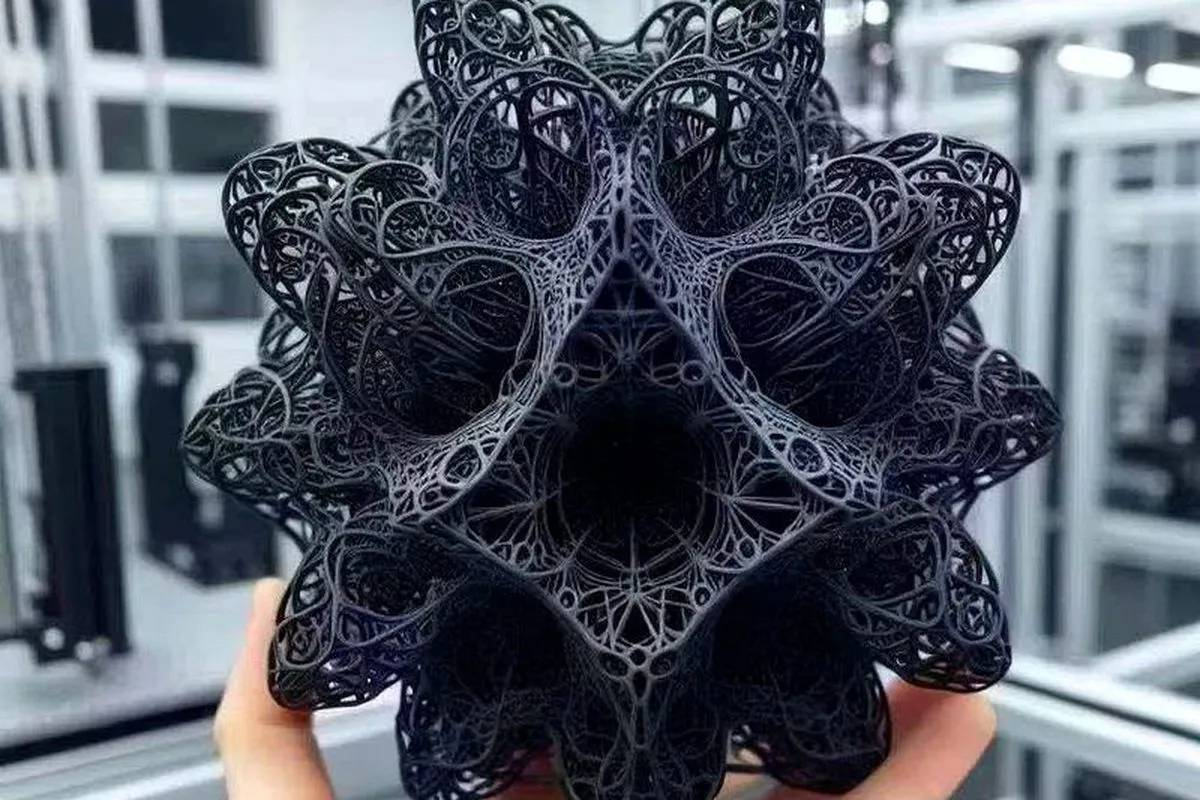
See your design sooner. Make your next iteration count.
Choose an additive manufacturing route around appearance, assembly or functional requirements. Complex forms and internal features can be printed, with secondary machining for critical interfaces.
OUR CAPABILITIES
3D printing capabilities
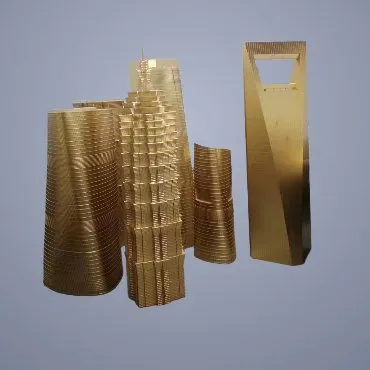
Appearance models
Concept and presentation models where shape, proportion and surface appearance matter most.
Functional & fit-check prototypes
Prototypes for assembly, fit and early functional checks, with material chosen for the intended use.
Complex geometry
Internal channels, organic forms and consolidated parts that are hard to machine can be printed in one piece.
Finishing & secondary machining
Support removal, sanding, painting and machining of critical features where tighter control is needed.
Technical specifications
| Processes | SLA, SLS, SLM, FDM |
|---|---|
| Maximum SLA build size | 1370 × 670 × 498 mm |
| Minimum order | 1 piece |
| Lead time | Prototypes in about 5 days; small batches confirmed per project |
Materials
Photopolymer resins (SLA), PA11 and PA12 nylon (SLS), metal powders (SLM) and common thermoplastics (FDM), selected for the intended use.
Materials guideSurface finishing
Support removal, sanding, painting, silk-screen printing and secondary machining where required.
Surface finishesTypical applications
- Concept & presentation models
- Complex ducts & housings
- Product design iterations
Have a drawing ready? Upload it for an engineering review and quote.
Upload drawingsHOW WE WORK
Start your projectA clear path from file to part.
01
Share your design
Send your drawings, material, quantity and key requirements.
02
Review & quote
Align on process, manufacturing details and your quotation.
03
Make & inspect
Produce and inspect against the agreed drawing and requirements.
04
Receive your parts
Pack, deliver and support your next design iteration.
DESIGN FOR MANUFACTURING
More design tips3D printing design tips
- 01
Choose the goal first
Say whether the part is for appearance, fit or functional testing; the process and material follow from that.
- 02
Check thin walls and fine details
Very thin walls and small features may not print or survive post-processing. Flag them so they can be reviewed.
- 03
Think about orientation and supports
Build orientation affects strength, surface quality and where supports leave marks. Mark the cosmetic faces.
- 04
Plan fits and post-machining
Printed parts can need clearance adjustments. Identify holes and mating faces that may need secondary machining.
PARTS WE HAVE MADE
View all examples3D printing examples
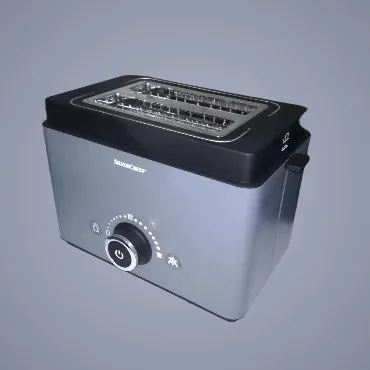
SLA appearance prototype
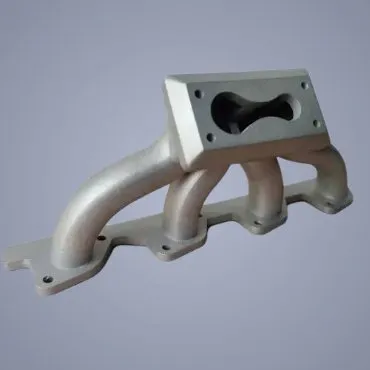
SLM metal part
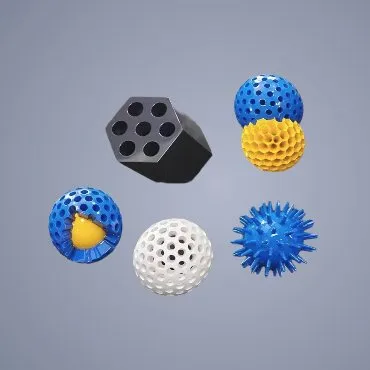
Full-color prints
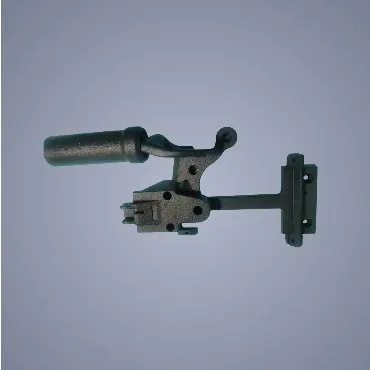
SLS prototype
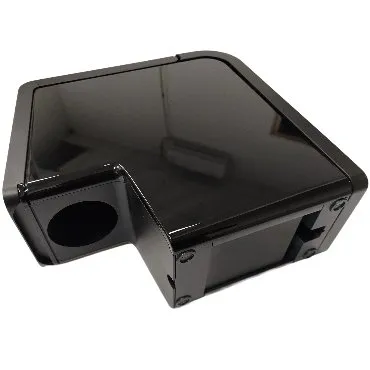
3D printed enclosure
QUALITY & COLLABORATION
Quality and confidentiality
Drawing review first
Critical dimensions, datums and finish requirements are confirmed before production.
Learn moreInspection agreed per project
Inspection scope, measurement method and any report are agreed with you before work begins.
Learn moreYour design stays yours
An NDA can be agreed before you share complete files. Drawings are used only for your project.
Learn moreBEFORE WE START
3D printing FAQs
When should I choose 3D printing instead of CNC?
3D printing suits complex geometry, quick design checks and appearance models. CNC is usually the better fit for functional parts in production-like materials. See our comparison article for more detail.
What do you need for a quotation?
Send your 3D model (STEP is preferred; X_T, IGES and STL are also accepted) and 2D drawing, with material, quantity, critical dimensions, tolerances, finish and target lead time. We reply to quote requests within 24 hours. You can also contact us before every detail is finalized.
Can I start with one prototype?
Yes. The minimum order is 1 piece, and the same part can move on to low-volume production later. Cost and lead time depend on the part and project requirements.
What tolerances can you achieve?
Capability depends on material, dimensions, geometry, process and inspection conditions. Identify the critical-to-function features on your drawing so they can be reviewed.
How long does it take?
Prototypes take about 5 days; small-batch lead times are confirmed per project.
Can you print metal parts?
Yes. Metal parts are printed by SLM.
Can we agree on an NDA first?
Yes. A customer NDA can be submitted for review before the full design package is shared. Raise special information-handling requirements at the start.
OUR CAPABILITIES
View allOther manufacturing services
 01
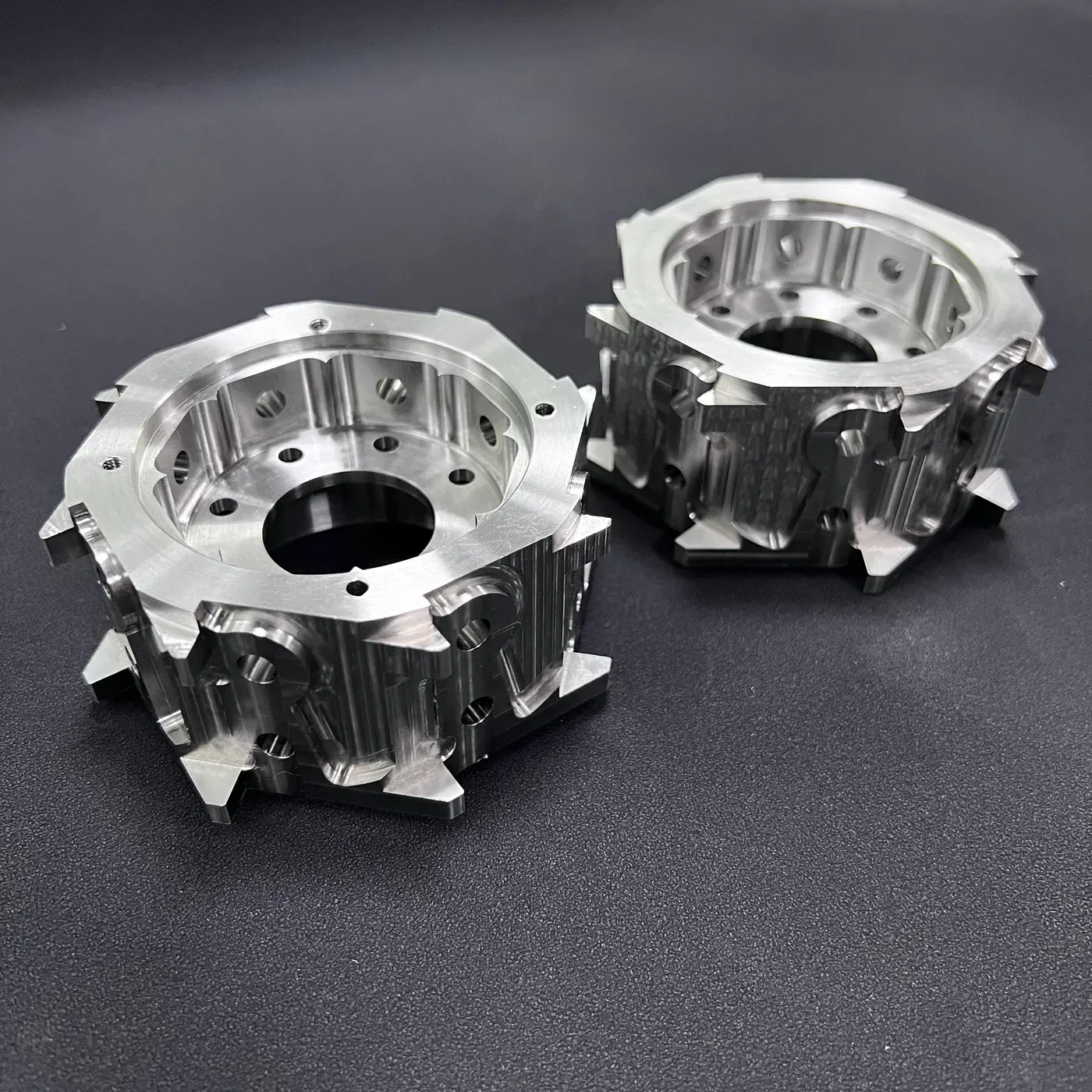
CNC machining
Precision milling and turning in metals and engineering plastics, for prototypes that work and parts that fit.
Explore service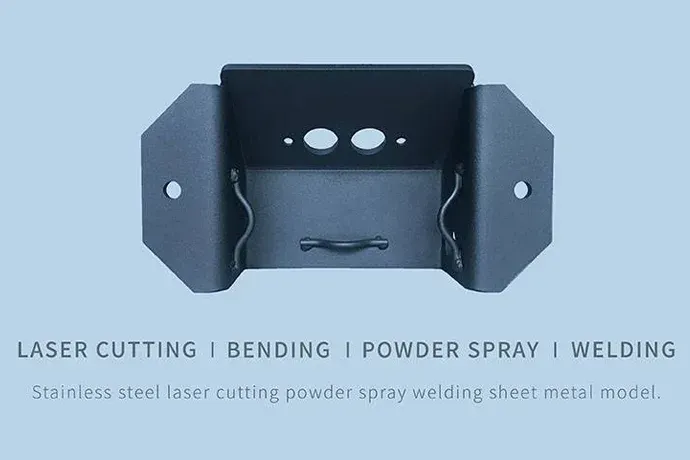 02
Sheet metal fabrication
Custom enclosures, brackets and structural components, formed for assembly and low-volume manufacturing.
Explore service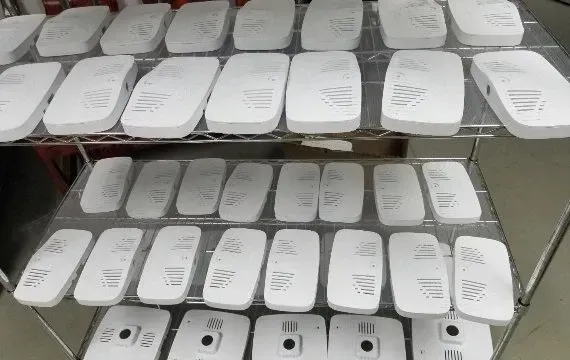 03
Vacuum casting
Cast prototype parts for design validation and small batches, balancing appearance, feel and assembly requirements.
Explore serviceLET’S MAKE IT HAPPEN
Your next part starts here.
Share your design, material and quantity. Let’s find the right manufacturing approach together.
Request a quote