
Match the finish to the part’s intended use.
Appearance, touch, fit and operating environment shape a finishing decision. Start with the substrate, critical mating surfaces and desired result, then review the process for the actual part.
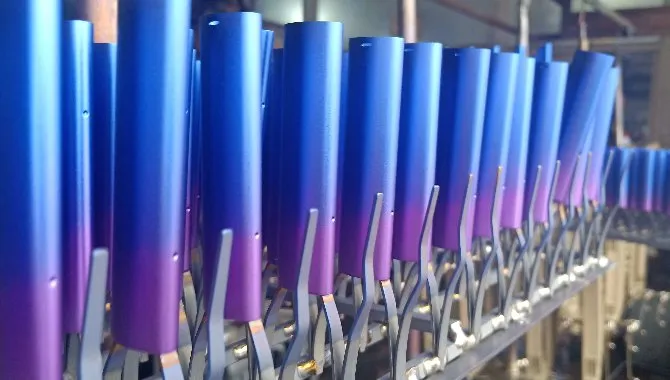
Anodizing
5xxx and 6xxx aluminum alloys generally anodize well; 6061-T6 gives the best result and 7075 a poorer one. Review color, coating thickness and fit requirements together.
Read the article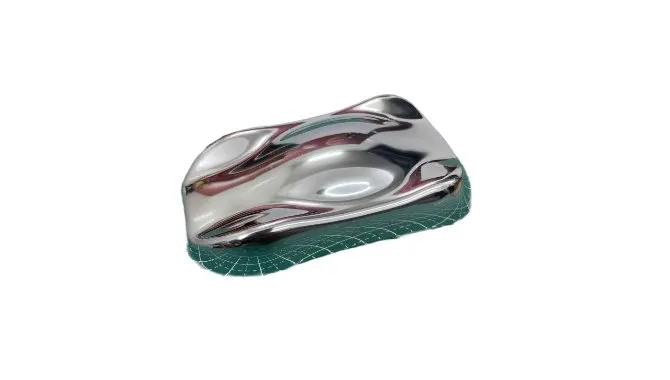
Electroplating
Deposits a thin metal layer to improve corrosion resistance, wear resistance, conductivity or appearance. Confirm the coating system against the base material.
Read the article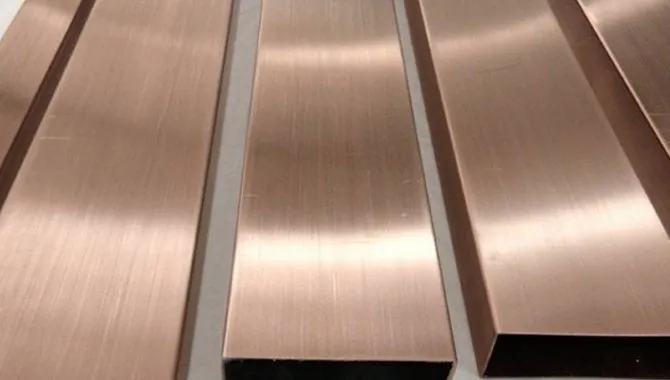
Brushing
Produces a directional grain on metal surfaces. Consider grain direction, accessible areas and visual consistency.
Read the article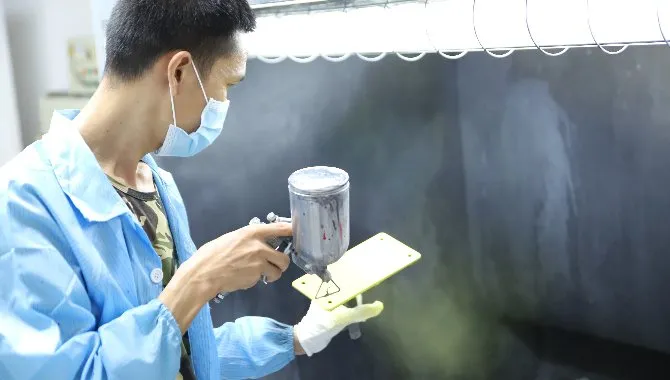
Painting
Colors are matched to Pantone, RAL or US Federal Standard references, or to a physical sample you provide.
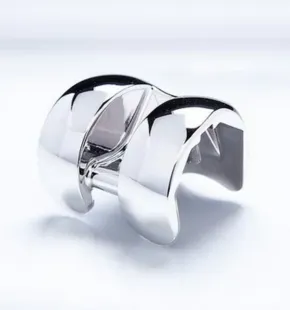
Grinding and polishing
Define gloss, treated areas and edge requirements around appearance and function.
Read the article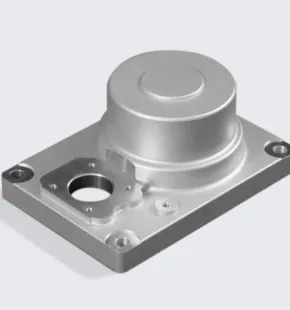
Sandblasting
Gives a uniform matte texture and removes machining marks; often used before anodizing.
Read the article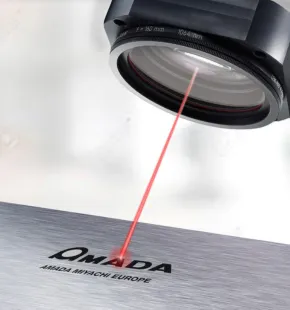
Laser marking
Marks logos, characters and codes without contact; suitable for metals and many plastics.
Read the article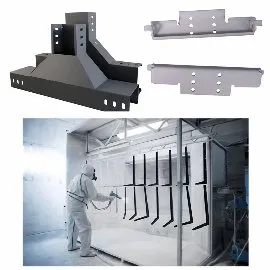
Powder coating
A durable coating for sheet metal and other metal parts. Confirm color, texture and coating thickness.
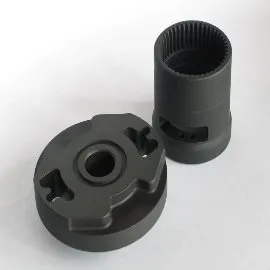
Black oxide
A thin conversion coating for steel parts that adds mild corrosion resistance with minimal dimensional change.
Your next part starts here.
Share your design, material and quantity. Let’s find the right manufacturing approach together.
Request a quote