
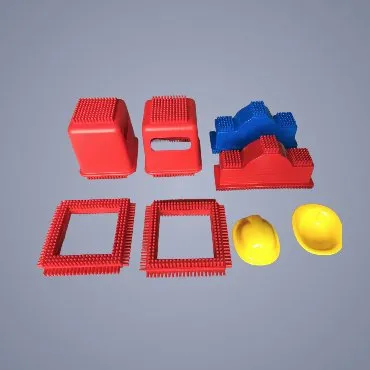
SMALL BATCHES. FINISHED-PART FEEL.
Vacuum casting
Cast prototype parts for design validation and small batches, balancing appearance, feel and assembly requirements.
Request a quote
Validate more before committing to production tooling.
Use a master pattern and silicone tooling to produce small batches. Color, hardness, transparency and fit are reviewed for the application; casting resin properties are assessed separately from the intended production material.
OUR CAPABILITIES
Vacuum casting capabilities
Master pattern & silicone mould
A master pattern is used to make a silicone mould, which then produces cast copies of the part.
Small-batch casting
Small batches for design validation, user testing and presentations before committing to production tooling.
Color, hardness & transparency
Casting resins are selected for color, hardness, transparency and fit according to the application.
Finishing & painting
Trimming, color matching and painting aligned with the purpose of the prototype.
Technical specifications
| Typical batch size | 10–200 pieces |
|---|---|
| Maximum part size | 800 × 800 × 800 mm |
| Silicone mould life | About 20 parts per mould, depending on geometry, size and finish |
| Lead time | Small batches typically ship in about 2 weeks |
Materials
ABS-like, PP-like and PC-like polyurethane resins, plus rubber-like and silicone materials, chosen for hardness, appearance and the use environment.
Materials guideSurface finishing
Color matching, trimming and painting, aligned with the prototype objective.
Surface finishesTypical applications
- Cosmetic product models
- Small-batch validation assemblies
- Display & fit-check prototypes
Have a drawing ready? Upload it for an engineering review and quote.
Upload drawingsHOW WE WORK
Start your projectA clear path from file to part.
01
Share your design
Send your drawings, material, quantity and key requirements.
02
Review & quote
Align on process, manufacturing details and your quotation.
03
Make & inspect
Produce and inspect against the agreed drawing and requirements.
04
Receive your parts
Pack, deliver and support your next design iteration.
DESIGN FOR MANUFACTURING
More design tipsVacuum casting design tips
- 01
Start from a good master
Cast parts reproduce the master pattern, including its surface. Share the quality level you expect.
- 02
Agree color and hardness early
Confirm color, hardness and transparency targets before casting so the resin can be selected.
- 03
Consider parting lines and draft
The silicone mould is split to release parts. Note faces where a parting line or small step is not acceptable.
- 04
Plan quantities per mould
A silicone mould produces a limited number of parts. Share your total quantity so moulds can be planned.
PARTS WE HAVE MADE
View all examplesVacuum casting examples
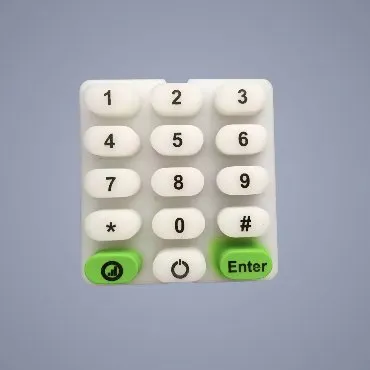
Two-color overmoulded prototype
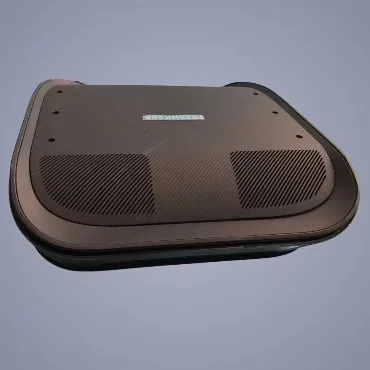
Device housing
Rubber-like parts
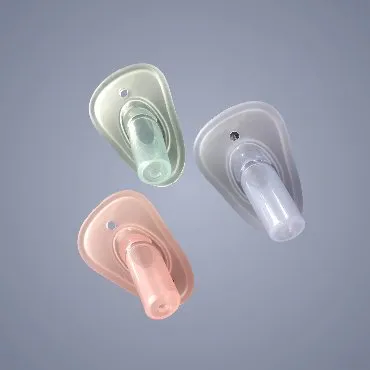
Silicone parts
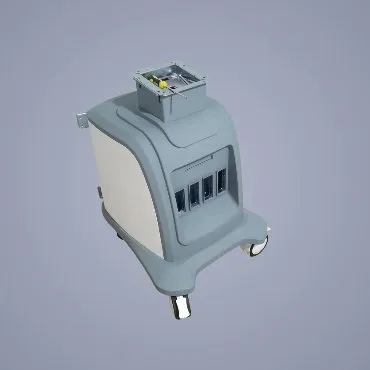
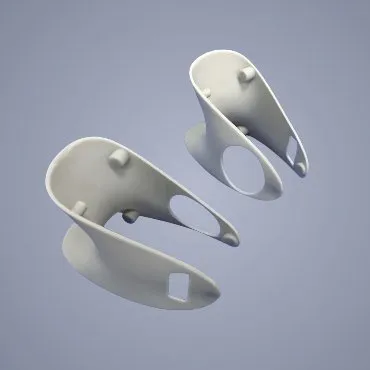
Medical device housing
QUALITY & COLLABORATION
Quality and confidentiality
Drawing review first
Critical dimensions, datums and finish requirements are confirmed before production.
Learn moreInspection agreed per project
Inspection scope, measurement method and any report are agreed with you before work begins.
Learn moreYour design stays yours
An NDA can be agreed before you share complete files. Drawings are used only for your project.
Learn moreBEFORE WE START
Vacuum casting FAQs
When is vacuum casting a good fit?
When you need small batches of parts that look and feel close to production parts for validation, presentations or assembly checks, before investing in production tooling.
What do you need for a quotation?
Send your 3D model (STEP is preferred; X_T, IGES and STL are also accepted) and 2D drawing, with material, quantity, critical dimensions, tolerances, finish and target lead time. We reply to quote requests within 24 hours. You can also contact us before every detail is finalized.
Can I start with one prototype?
Yes. A silicone mould has to be made first, so vacuum casting is usually chosen for batches of about 10 to 200 pieces; for a single part, 3D printing or CNC is often more economical.
What tolerances can you achieve?
Capability depends on material, dimensions, geometry, process and inspection conditions. Identify the critical-to-function features on your drawing so they can be reviewed.
How long does it take?
Small batches typically ship in about 2 weeks.
Can you make overmoulded parts?
Yes. A hard plastic or metal insert is placed in the mould cavity and the soft outer layer is cast around it.
Can we agree on an NDA first?
Yes. A customer NDA can be submitted for review before the full design package is shared. Raise special information-handling requirements at the start.
OUR CAPABILITIES
View allOther manufacturing services
 01
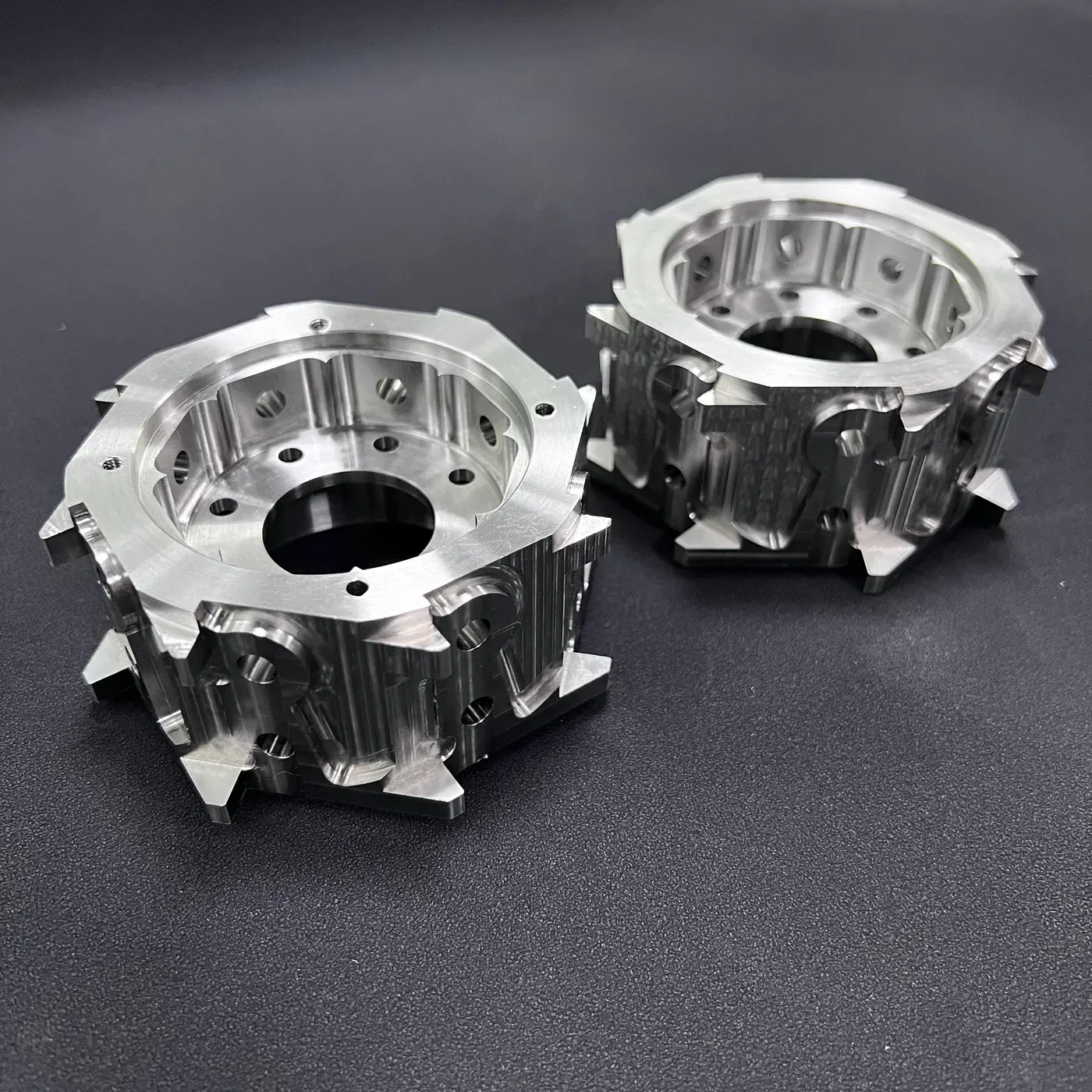
CNC machining
Precision milling and turning in metals and engineering plastics, for prototypes that work and parts that fit.
Explore service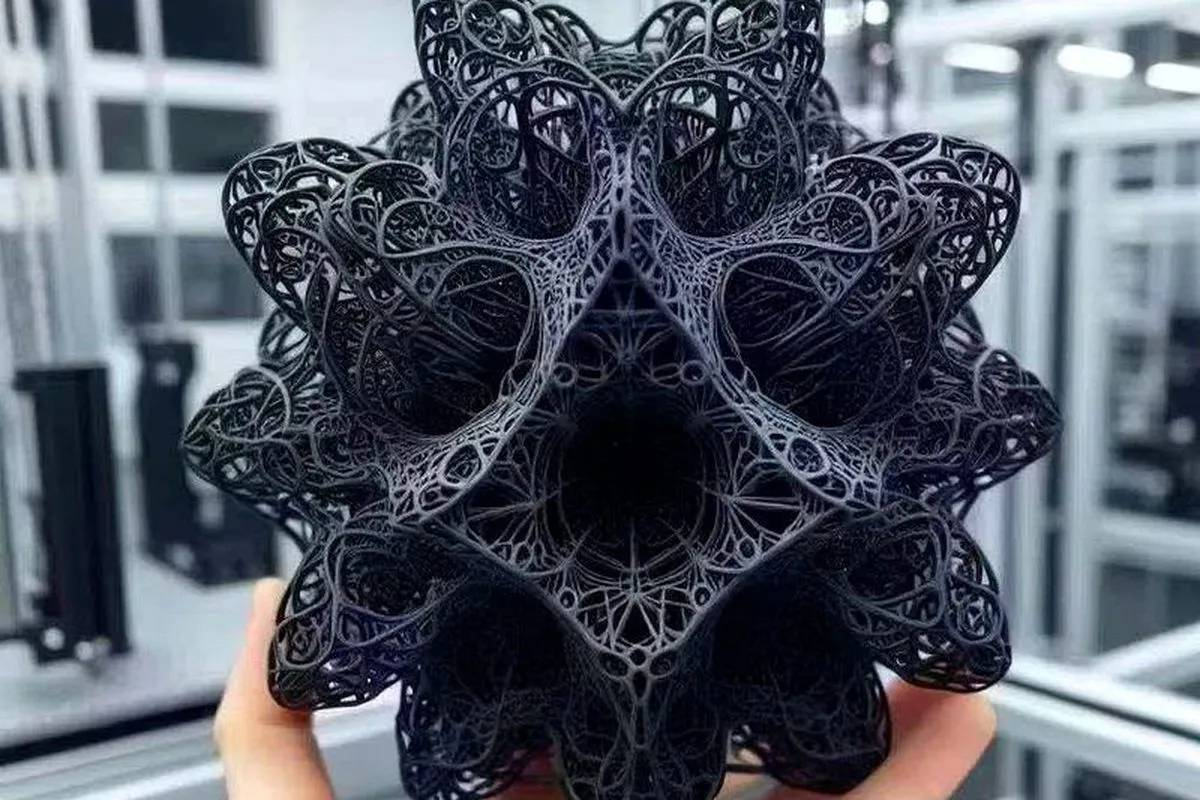 02
3D printing
Turn digital models into tangible prototypes, explore complex geometry and move your next design iteration forward.
Explore service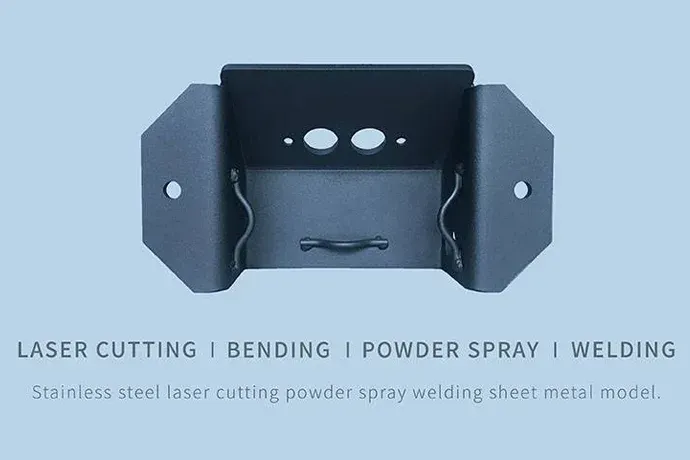 03
Sheet metal fabrication
Custom enclosures, brackets and structural components, formed for assembly and low-volume manufacturing.
Explore serviceLET’S MAKE IT HAPPEN
Your next part starts here.
Share your design, material and quantity. Let’s find the right manufacturing approach together.
Request a quote