
Hydro Dipping, Anodizing, Polishing, and Brushing: Benefits, Limitations, and Selection Tips
After CNC machining or sheet metal forming, parts may retain tool marks, weld marks, or the texture of the raw material. The right surface finish does more than improve appearance; it can also affect corrosion resistance, wear resistance, cleanability, tactile feel, and assembly fit. Among common CNC machining surface finishes, hydro dipping, anodizing, polishing, and brushing can all change how a part looks, but they differ in material compatibility, function, and cost.
Selecting a process involves more than choosing a color or gloss level. The material grade, service environment, critical dimensions, production volume, color consistency, and downstream assembly requirements should all be defined before quotation and production. The sections below explain where each of these four decorative surface finishes works best and what to consider when making a selection.
Hydro Dipping: Pattern Decoration for Complex Surfaces
Hydro dipping (water transfer printing) uses a water-soluble patterned film, an activator, and water pressure to transfer wood grain, carbon fiber, camouflage, or other graphics onto three-dimensional part surfaces. A typical process includes surface cleaning and sanding, application of a primer or base color, pattern transfer, rinsing and drying, and application of a protective clear topcoat. Because the pattern sits between the base color and the clear topcoat, final wear resistance, weatherability, and gloss depend heavily on surface preparation and the protective coating.
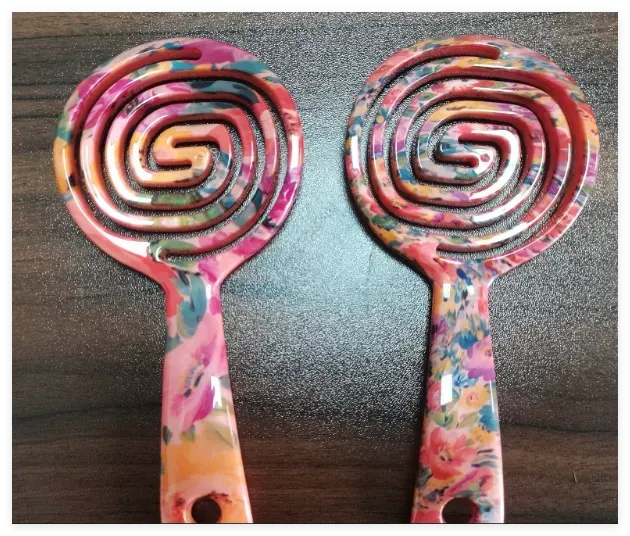
Best for: Plastic housings, primed metal parts, automotive interiors, cosmetic components for consumer electronics, display models, and other parts with complex surfaces.
Key benefits: A wide range of patterns, better adaptability to curved and irregular parts than flat printing, and customized appearances with relatively low tooling investment.
Key considerations: Deep recesses, sharp corners, and abrupt changes in curvature may cause pattern stretching or visible seams. The base color also affects the final appearance. For parts exposed to outdoor conditions, frequent abrasion, or chemicals, confirm the clear topcoat and durability requirements in advance.
Anodizing: Protection and Color for Aluminum Parts
Anodizing is an electrochemical process that converts a metal surface into an oxide layer. In custom manufacturing, it is used most often for aluminum and aluminum alloy parts. The anodic layer forms from and bonds to the substrate. Depending on the process type and layer requirements, it can provide decorative, corrosion-resistant, or wear-resistant properties. Dyeing and sealing can also produce finishes in black, red, blue, and other colors.
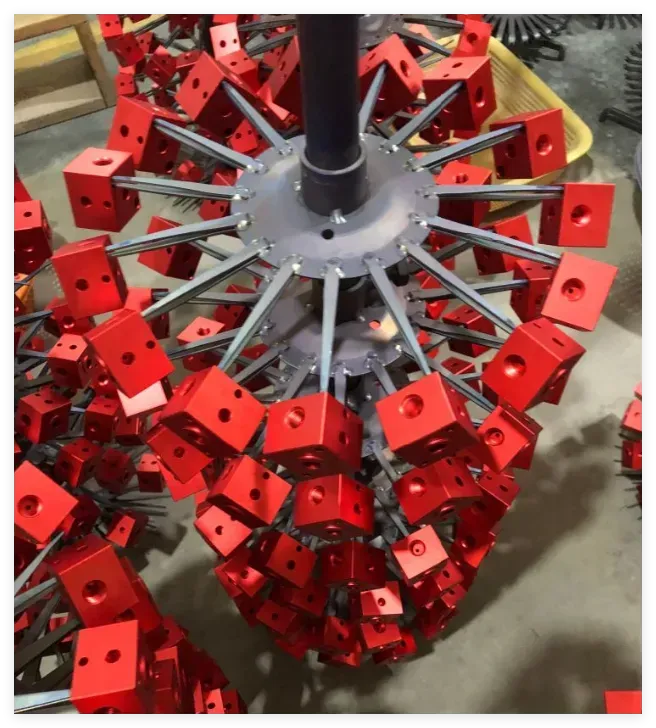
Best for: CNC-machined aluminum parts, electronic enclosures, automotive components, fixtures, and functional parts that require color identification.
Key benefits: Improved corrosion resistance and surface wear performance while retaining a metallic appearance. A variety of colors is available, and the anodic layer is formed from the substrate surface rather than applied as a conventional paint film.
Key considerations: Differences in aluminum alloy grade, heat treatment condition, surface texture, and production batch can cause color variation. The anodic layer affects dimensions, so precision holes, threads, electrical contact surfaces, and mating surfaces may require machining allowance or localized masking. Specify the color, gloss, anodic layer thickness, and sealing requirements on the drawing or in the RFQ.
Polishing: Lower Roughness and a High-Gloss Finish
Polishing improves a surface through mechanical, chemical, or electrochemical methods. Mechanical polishing is common for custom parts. It uses progressively finer abrasives to remove small surface peaks and valleys, followed as needed by fine polishing or buffing. Different process sequences can produce matte, high-gloss, or near-mirror finishes.
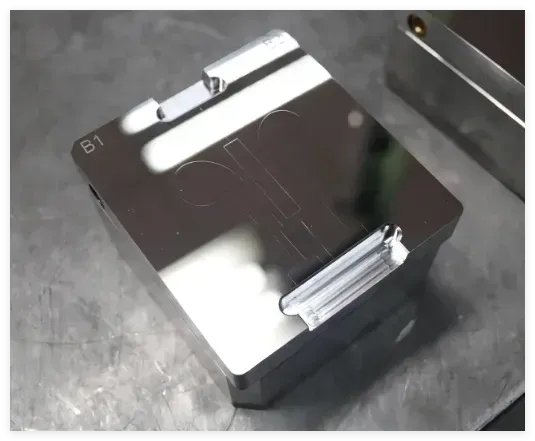
Best for: Cosmetic prototypes, display parts, mold components, reflective parts, and metal surfaces that need improved cleanability.
Key benefits: Reduced surface roughness with improved gloss and tactile feel. Mechanical polishing is suitable for a broad range of materials and can also be applied selectively to designated cosmetic surfaces.
Key considerations: Polishing does not replace control of dimensional and geometric accuracy, nor does it automatically remove deep tool marks, pits, or material defects. Excessive polishing can round sharp edges, alter local dimensions, or deform thin-walled parts. If a specific mirror finish is required, provide a surface roughness requirement, an appearance sample, or a mutually accepted limit sample.
Brushing: A Directional Metallic Texture
Brushing typically uses abrasive belts, wheels, or nonwoven abrasive media to create a continuous grain in one direction across a metal surface. Compared with a mirror-polished finish, a brushed finish reflects light more softly while retaining a distinct metallic character. It is commonly used on stainless steel, aluminum alloys, consumer electronics, and appliance components.
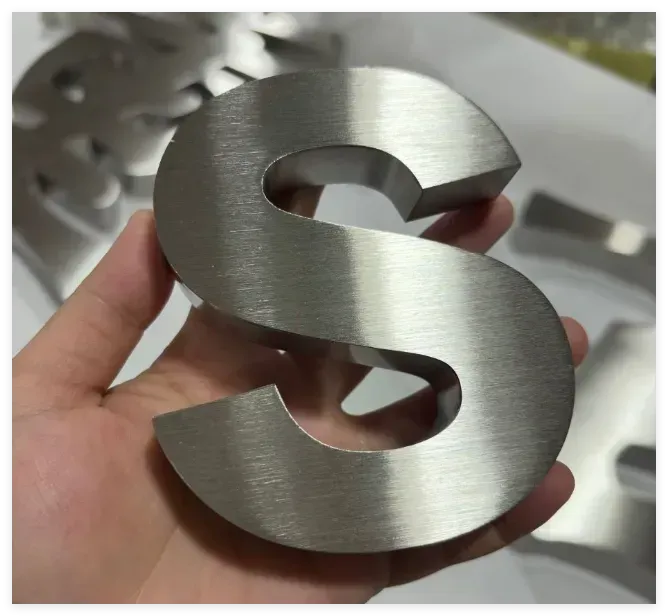
Best for: Panels, housings, nameplates, decorative components, and parts requiring a low-reflectivity metallic appearance.
Key benefits: When the grain is well controlled, brushing provides good visual consistency. It can make some light machining marks and everyday fingerprints less noticeable while giving the part a more uniform industrial appearance.
Key considerations: Brushing creates a clearly directional grain, so adjacent parts must have aligned grain directions after assembly. It cannot conceal deep scratches, pits, or welding distortion. Specify the grain direction, coarseness, gloss, and areas to be brushed, and confirm them with a sample when necessary.
How to Choose Among the Four Surface Finishes
| Process | Best for | Main result | Specify before production |
|---|---|---|---|
| Hydro dipping | Complex surfaces, plastics, or primed metals | Multicolor patterns and a customized appearance | Base color, clear topcoat, abrasion resistance, and weatherability |
| Anodizing | Aluminum and aluminum alloy parts | Color, corrosion resistance, and wear resistance | Alloy, color, layer thickness, masking, and allowable color variation |
| Polishing | Most polishable metals and cosmetic parts | Lower roughness and a high-gloss or mirror finish | Surface roughness, appearance grade, and critical dimensions or surfaces to protect |
| Brushing | Stainless steel, aluminum alloys, and metal panels | Directional grain and a low-reflectivity metallic appearance | Grain direction, coarseness, and an appearance reference sample |
Note: The table provides general selection guidance. The final process should be confirmed based on the material grade, part geometry, service environment, and the supplier’s verified process capabilities.
What Should You Confirm Before Selecting a Surface Finish?
Material and Part Geometry
Start by confirming the material grade, heat treatment condition, part dimensions, thin-walled areas, and complex recesses. The material determines which processes are available, while the geometry affects racking points, masking, transfer coverage, polishing access, and the risk of deformation.
Service Environment and Functional Priorities
Define whether the part will be used indoors or outdoors and whether it will be exposed to sweat, salt spray, cleaning agents, oils, ultraviolet light, or frequent abrasion. Establish the relative priorities of appearance, corrosion resistance, wear resistance, electrical conductivity, insulation, and cleanability.
Color, Texture, and Acceptance Criteria
Specifications such as “black,” “silver,” or “brushed” are usually not enough. Provide a color code, reference sample, gloss level, grain direction, appearance grade, allowable color variation, racking locations, and non-cosmetic areas. For production projects, consider approving a first article or an approved limit sample before the full run.
Critical Dimensions and Assembly Interfaces
Identify threads, hole diameters, sliding surfaces, sealing surfaces, electrical contact surfaces, and precision mating surfaces on the 2D drawing. Engineers can then determine whether these features require masking, machining allowance, or inspection after finishing.
Quantity, Budget, and Lead Time
Fixturing, surface preparation, color matching, and first-article approval costs vary by process. Low-volume orders with special color requirements generally have a higher unit cost, while production orders require closer control of color and texture consistency.
Frequently Asked Questions
Is Anodizing the Only Option for Aluminum Parts?
No. Aluminum parts can also be sandblasted, brushed, polished, coated, plated, or finished using other methods. Anodizing is well suited to projects that need to retain a metallic appearance while adding color and protection, but the decision should still account for the alloy grade, dimensions, and service environment.
Can Surface Finishing Completely Hide CNC Machining Marks?
Not in every case. Brushing and some textured finishes can make light marks less noticeable, while polishing can reduce surface roughness. Deep machining marks, pits, and geometric defects usually need to be addressed during machining or surface preparation.
Is Hydro Dipping Suitable for Long-Term Outdoor Use?
Suitability depends on the primer, clear topcoat, film material, curing conditions, and actual service environment. If the part will be exposed to ultraviolet light, rain, abrasion, or chemicals, state these conditions in the RFQ and confirm performance through samples or testing.
What Should I Provide for an RFQ?
Provide 3D CAD files and 2D drawings, along with the material, quantity, surface finish, color or texture, gloss level, critical dimensions, masking areas, service environment, acceptance criteria, and target lead time. More complete information supports a more accurate engineering review and quotation.
Conclusion
Hydro dipping emphasizes pattern and graphic appearance. Anodizing combines decoration and protection for aluminum parts. Polishing reduces surface roughness and increases gloss, while brushing creates a directional metallic texture. The right choice balances appearance, performance, dimensions, cost, and lead time.
When submitting a manufacturing RFQ, include the material, quantity, surface requirements, color or texture, critical dimensions, and service environment. For projects with demanding cosmetic requirements or larger production volumes, approve a sample before moving into full production.